IT Support in the Pilbara: What It Really Looks Like
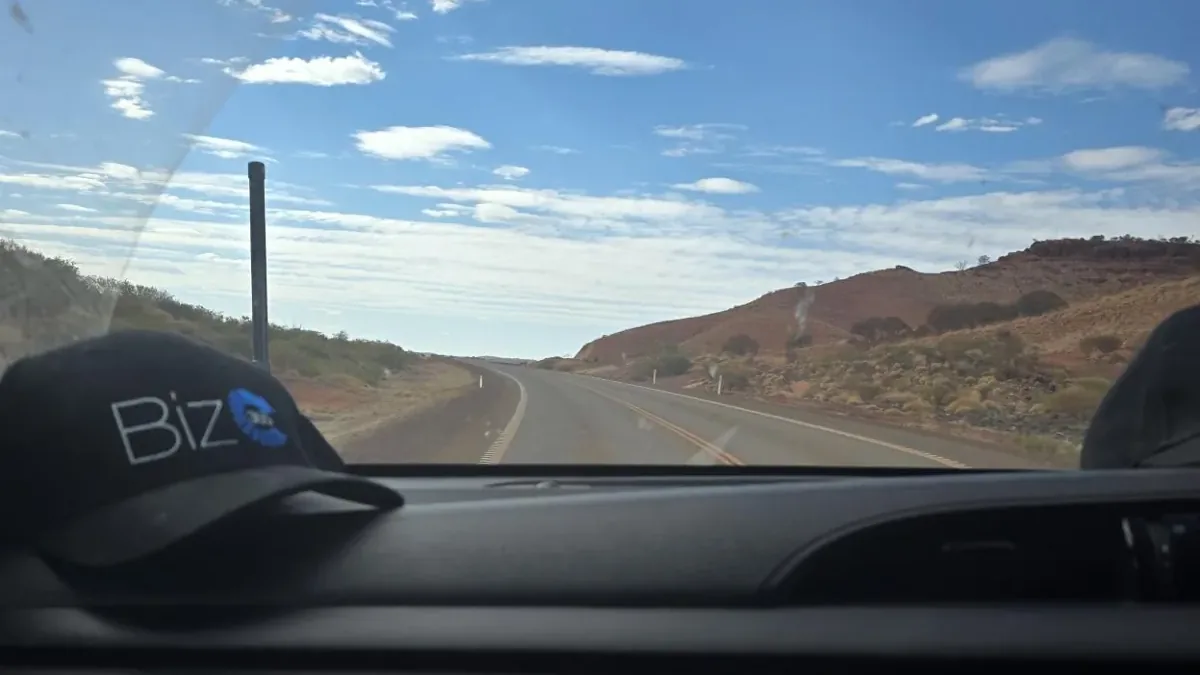
Most IT support happens down a phone line. A lot of ours happens on a red dirt road.
We look after health clinics in the Pilbara. To do that, we drive there. Here is what the job really looks like.
What is remote IT support?
Remote IT support means looking after computers, internet and phones at places far from a city. Most faults get fixed online. Some need a person on site.
The hard part is not the computers. It is the distance. You cannot pop out at lunchtime to swap a cable when the site is a day away.
We drive there
Some of these clinics are hundreds of kilometres apart. The last stretch is dirt. A trip can take two days each way.
So we plan it. We pack spare parts before we leave. We carry two spare tyres. We fix things in batches, because the next visit might be months away.
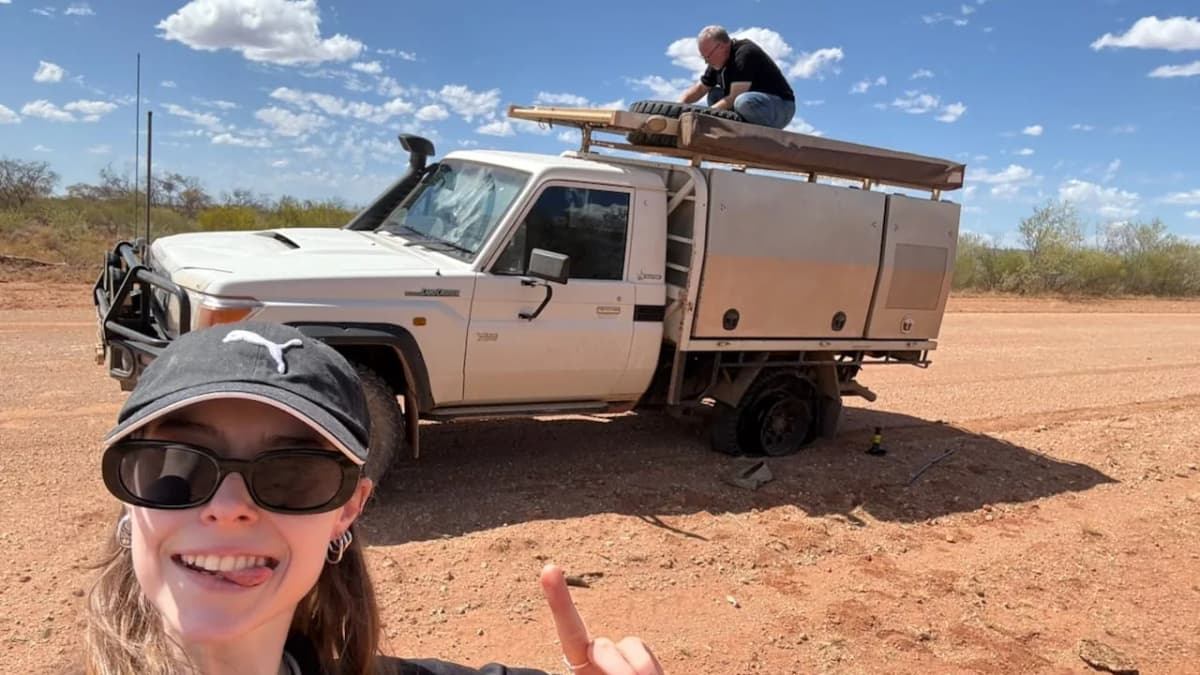
Flat tyres are normal out here. So is red dust in everything. That is the work.
We set up Starlink
Satellite internet changed remote health care. Clinics that had almost nothing can now run their systems and do video calls with doctors.
We install Starlink at clinics and look after it. Across four clinics we support in the East Pilbara, the internet has been up about 99% of the time since we put it in.
But we never rely on one connection. We always add a backup line. If the satellite drops out, the clinic keeps working. It just runs slower.
That backup matters more than the 99%. A clinic that still works on a bad day beats a link that is usually fine.
We clean the red dust off
Red dust gets into everything. It clogs fans. It coats screens. It kills computers slowly, and nobody notices until one stops.
So when we visit, we clean. We open machines up and blow the dust out. We check cables. We look at the things nobody logs a ticket for.
It is not glamorous. It is most of the reason the gear lasts.
We teach people how to use it
Good systems are no help if nobody knows how to use them.
We sit with staff and show them. How to log in. What to do when the internet drops. How to tell if it is the printer or the computer. How to spot a dodgy email. Who to ring, and when.
We also train one person at each site to be our hands. If something has to be touched, they can do it while we watch on a video call. We pay for their time and their training. That is real work, and it should not be free.
Who we do this for
Puntukurnu Aboriginal Medical Service runs remote clinics in the East Pilbara, out of Newman. We set up their Starlink and we look after it.
They run the health service. The community owns it. We look after the tech it runs on. That is the line, and we like to be clear about it.
Why we do it
The drive is long. The work is dusty. We keep going back anyway.
We like it out there. You see things you see nowhere else. We have met camels living in people's houses as pets. You pull over for stock on the road and end up talking for half an hour.
The best part is the people. You sit down, have a yarn, and the job gets done properly. You find out what the clinic actually needs. That never comes through on a support ticket.
It is good work. You can see who it helps.
What to ask any IT provider
If you run a site that is hard to reach, ask these:
- What happens when the internet drops? Is there a backup?
- How much can you fix without driving out here?
- How often will you visit?
- Who cleans and checks the gear?
- Will you train our staff?
If the answers are vague, keep looking.
A remote support call from camp
Remote work can also mean helping a client while we are away. In this support call from a campsite near Exmouth, Samuel used Starlink and a laptop to sort out an urgent problem before returning to his holiday.
Talk to us
We work across the Pilbara, Kimberley, Goldfields and Mid West. We also work in the Northern Territory. And Perth, of course.
Tell us where your sites are, what internet you have now, and what breaks most often. We will give you a straight answer. That includes telling you when satellite is the wrong tool.