
Connectivity for clinics you cannot drive to
At a metropolitan practice, a dropped connection is an annoyance and a technician turns up that afternoon. Several hundred kilometres out, it is whether the clinic functions at all — no clinical records, no telehealth consult, no scripts, in places where the alternative to a consult can be a flight.
That changes what you are designing for. The question stops being how fast the link is on a good day and becomes what happens on a bad one, and how much of the fix can be done without anyone getting in a vehicle.
Design for the outage, not the ideal day
Satellite has made remote connectivity viable in places that had nothing workable before, and for primary care workloads it is genuinely good enough. But a single satellite link is still a single point of failure, and weather, obstruction and congestion are all real.
So we do not run it alone. Failover stays in place alongside it and the important traffic is prioritised, which means a bad afternoon costs performance rather than costing the day. We also design around the awkward details up front — standard satellite service gives you no static IP, which shapes how remote support and VPN access have to work, and finding that out after installation is expensive.
Most of the work is making the callout unnecessary
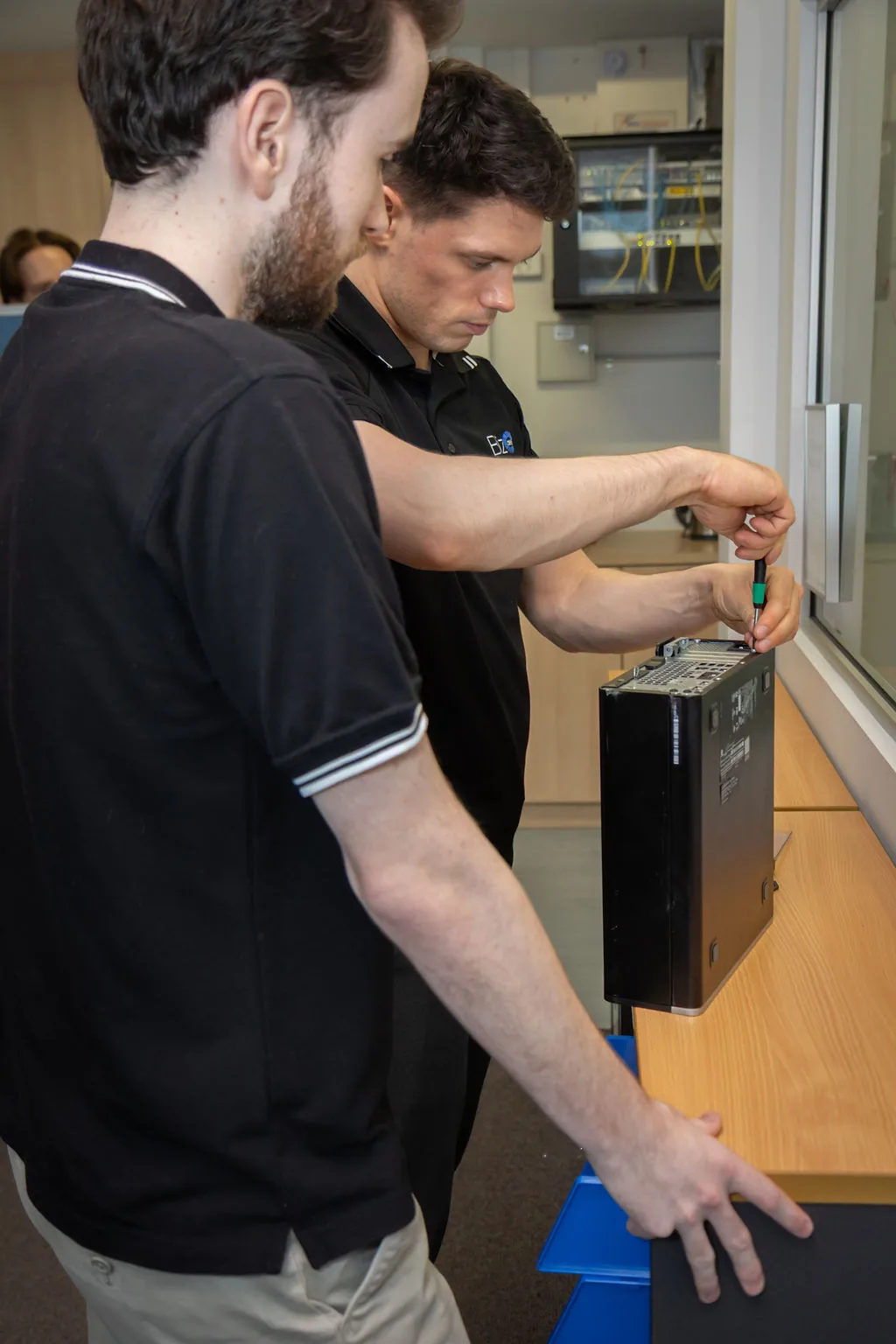
Remote management and out-of-band access come first, so the majority of faults are resolved without anyone travelling. Past that it is preparation: hardware staged and configured before it is freighted, and spares held on site rather than ordered when something dies.
Where hardware genuinely has to be touched, we train and support a nominated staff member at each site, with their time and training costed into the engagement. That person is your employee doing skilled work in their own community, not free labour propping up our service model — and if the arrangement is not funded, it quietly fails the first time they are on leave.
None of that is exotic. It is just the discipline of assuming you cannot get there, which is a different way of working from metropolitan IT and the part that takes longest to learn.

Around 99% uptime across four remote clinics
Biz365 delivered Starlink connectivity across four remote clinics run by an Aboriginal Community Controlled Health Organisation in the East Pilbara, spread across several hundred kilometres. Monitored uptime has sat at around 99% since installation, measured by our monitoring rather than estimated after the fact.
Worth being straight about what that means: 99% is still a few days a year, which is why the failover matters more than the headline figure. A satellite link that is up 99% of the time and a clinic that can work through the other 1% are two different things, and only the second one is worth buying.
The health service runs those clinics and the community controls them. We delivered the connectivity the services run over — not the care, and not the health programmes delivered across it. The named write-up is in our case study on the work.
On data: your organisation owns its data. We think it should be sovereign — it belongs to you, it sits where you decide, and it does not become something a vendor holds over you at renewal. That applies to Aboriginal community controlled health organisations exactly as it applies to anyone else.
We work across the Pilbara, Kimberley, Goldfields and Mid West, the Northern Territory and Perth — see how remote site support works. If you also run Communicare, the printing faults that interrupt reception are a problem we have already solved, and Cyber Shield covers the Essential Eight side.
What remote health services ask us.
Including where our work stops and someone else's starts.
Is Starlink good enough for a remote clinic?
What happens when the satellite link drops?
How do you support a clinic you cannot drive to?
What exactly did Biz365 deliver in the East Pilbara?
Do you support Communicare?
Want to see how you can upgrade your IT and be even more productive?
Solutions